
We know some of you have experienced when your dog plants their paws mid-walk, lies down on the sidewalk, or simply refuses to take one more step no matter how much you coax. This is what’s referred to as balking in the US or baulking in the UK. It’s one of the most common and often puzzling behaviors dog parents face — so this month, we’re breaking down what it is, why it happens, and what you can do about it.
What Is Balking?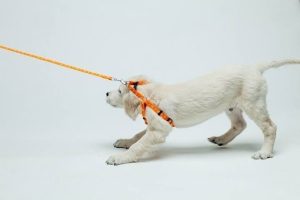
Balking can best be described as refusing to proceed after being asked to. On a walk, that means your dog stops moving forward when you say “let’s go,” and no amount of gentle tugging seems to change their mind.
The important thing to understand: balking is not defiance. It’s communication.
Why Dogs Balk
Trainers who specialize in this behavior point to a handful of common root causes:
- Fear or uncertainty. A dog may stop to avoid moving toward — or past — something that worries them: a loud truck, an unfamiliar dog, a construction crew, even a specific spot where something startled them before.
- Reluctance to leave a favorite place (or go home). Some dogs balk to delay the end of a fun outing, planting themselves at the park entrance or dragging their feet on the way back to the house.
- Learned reinforcement. Dogs are quick studies. If stopping has ever earned a treat, a coaxing voice, or a pick-up-and-carry, they learn that balking “works” — and the behavior sticks around long after the original reason for it has faded.
- Physical discomfort. Sore paws, joint pain, an ill-fitting harness, or fatigue can all make a dog reluctant to keep going, especially if the balking is a new or sudden change in behavior.
- Overstimulation or simple distraction. A nose-first creature encountering a world of new smells may just need a moment (or ten) to process it all.
Cesar Millan, of Dog Whisperer fame, frames walks through the lens of calm, confident leadership: dogs look to their humans for steady, clear direction, and an anxious or inconsistent handler can unintentionally add to a dog’s uncertainty on the leash. Cheri Wulff Lucas — who spent 16 years working alongside Millan and now runs her own behavior practice — echoes this, emphasizing that dogs thrive when their person can calmly and confidently guide them through uncertain moments, rather than mirroring the dog’s own hesitation.
It’s a philosophy that traces back to one of dog training’s earliest popular voices: Barbara Woodhouse, whose famous mantra “No Bad Dogs” reminded generations of owners that a dog who won’t walk isn’t being naughty — they’re telling you something, and it’s our job to listen and guide rather than punish.
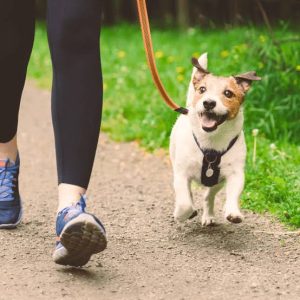
Tips for Dealing with a Balking Dog
- Rule out pain first. If balking is new, sudden, or paired with limping, whining, or reluctance to jump/climb stairs, a vet visit should be step one.
- Don’t drag — and don’t over-reward the stop. Pulling a frightened dog forward can increase their anxiety, but stopping to offer treats or long comforting pauses can accidentally teach your dog that balking gets attention. Instead, wait calmly for a step in the right direction, then reward that movement.
- Build distance from triggers. If your dog balks near a specific sight or sound, create space (cross the
street, turn around) rather than pushing through. Gradual, positive exposure from a comfortable distance works far better than forcing the issue. - Make forward motion rewarding. Use high-value treats, a cheerful voice, or a favorite toy to build positive associations with continuing to walk — especially in the specific spots where your dog tends to balk.
- Keep walks age- and stage-appropriate. Puppies and senior dogs both have shorter tolerance for long or demanding walks. Shorter, more frequent outings can prevent balking born of fatigue.
- Watch for patterns. Keeping a mental (or written!) note of when and where balking happens can reveal whether it’s fear, fatigue, distraction, or a learned habit — which changes how you respond.
Watch & Learn
For a closer look at this exact topic from some of my favorite youtube trainers:
- My Dog Just STOPS on Walks – Susan Garrett gives some various games and strategies.
- DRAMATIC dog will NOT walk on leash – Top Davis’ short that encourages uses a slip lead for better leverage.
- What to Do When Your Dog Refuses to Walk – Martin Bell’s suggestion noting the importance of your posture.
The Bottom Line
A dog who won’t budge isn’t giving you a hard time — they’re having a hard time. With a little patience, some detective work into the “why,” and consistent, calm encouragement, most dogs learn to walk confidently again. If balking becomes a persistent struggle, a certified trainer can help pinpoint the cause and certainly let us know if you are having this issue and we’d be happy to share our experience.
Recent Comments